Family Healing After Loss
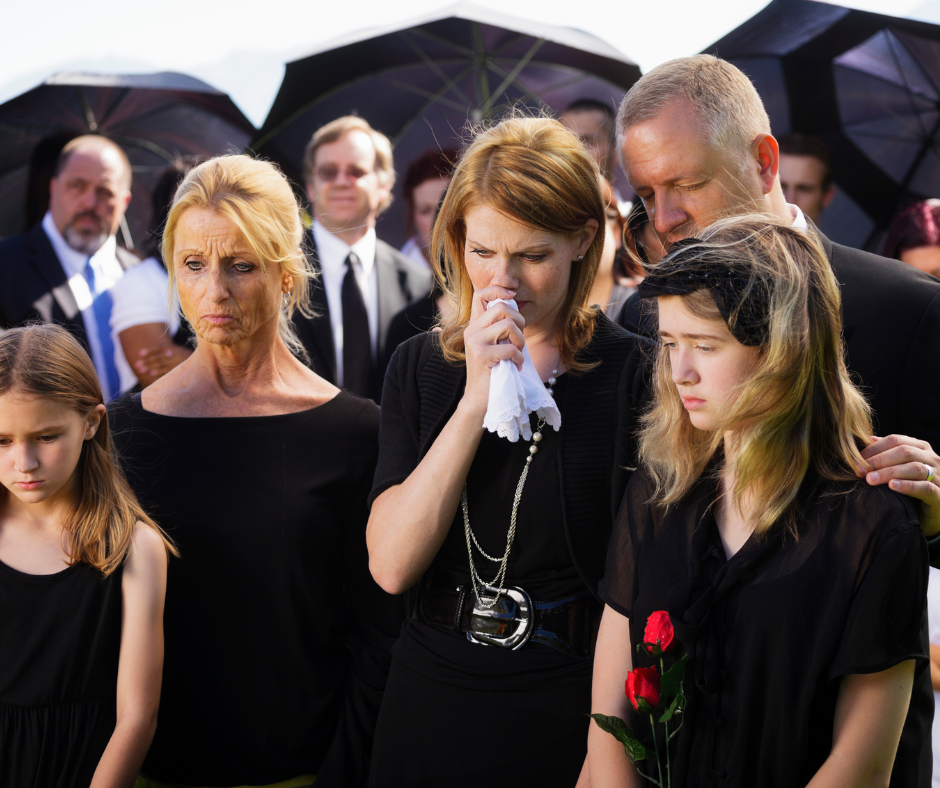
Losing a beloved family member is one of the most painful human experiences anyone can endure. Whether it is sudden or after a long illness, accident or suicide, all loss leaves a hole in one’s heart and it can take a long time to live with that pain.
Grief is more than pain, however. It is an expression of love, of the fact that someone’s life had value, had the ability to touch others’ hearts. One doesn’t “get over” a loss. You learn to live with it. The good memories, with time, become sweeter, no longer coupled with the intense pain of the loss, the emptiness that their death has left behind.
The problem for a family is that each member often has a different style of grieving. Initially, one may want to talk (non-stop!) about the deceased; another can barely hear the name of their loved one without being overwhelmed with emotion. Another may be stuck feeling guilty or tormenting themselves with the “what ifs.” Young children can only think about it in short spurts and can have all sorts of questions to make sense of things (“can we send grandma a warm blanket?”). Older teens may feel guilty about the last words said to their loved one. Some people will be in denial of their own feelings or not even feel, be numb for a long time. Each person will be struggling with something as they try to reshape the landscape of their lives without the loved person in it.
How can parents help their family navigate loss while at the same time cope with their own grief?
Understand that each person grieves differently and give them the space to do so. Encourage every family member to respect those differences.
Encourage self-care. If you see a loved one suddenly frenetic in their activities as if they are running from their own feelings, take the time to share what you observe and give them a space to talk.
Take care of yourself- eat even if you don’t feel like; sleep but not all day; go to the gym; find something to connect yourself to others, nature, etc.
Find out how each family member wants to honor the memory of their loved one- especially around holidays, their death anniversary, their birthday. Create a family ritual to honor that person.
Accept the fact that grief is a process, not a series of steps you go through in a certain order and that emotions will run high for everyone. Step back, pause, try not to personalize it if someone is angry, loses it, etc. Less is more. Give them a chance to come back to themselves.
And since you are not superhuman, when you lose it, you feel guilty, or you feel helpless and hopeless, forgive yourself and remember that your dark moments won’t always be like this.