Random Acts of Kindness: How They Can Help Teens
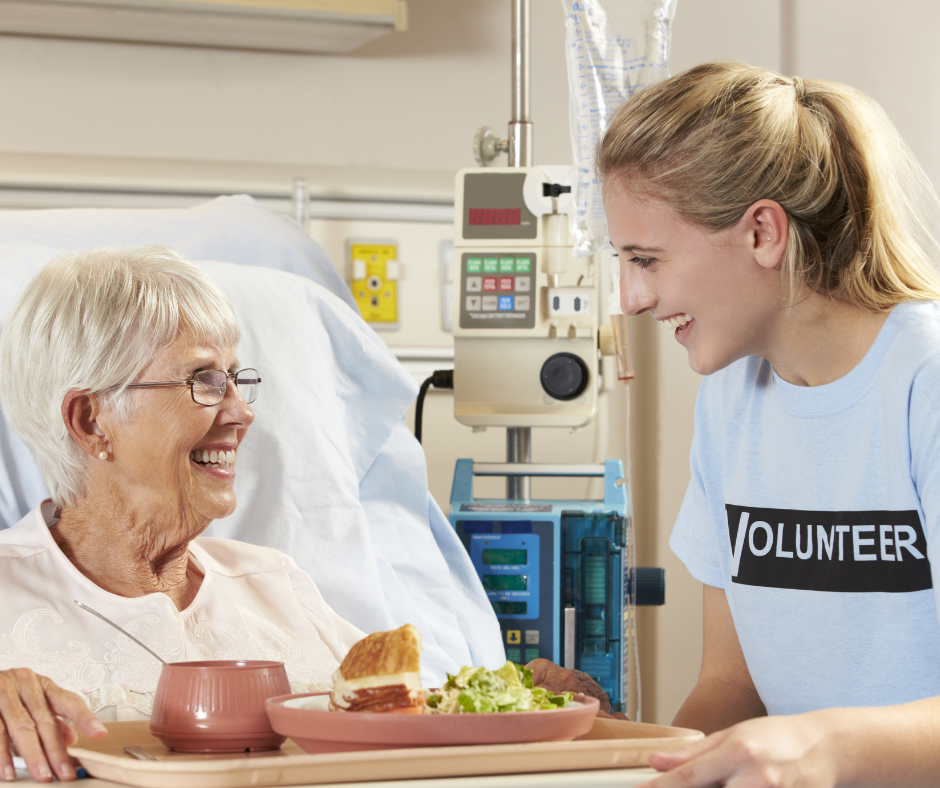
With the holidays approaching, this is the perfect time for your teen to learn how to practice Random Acts of Kindness, or RAKs. In a world that often feels chaotic and overwhelming, it’s easy to forget the simple power of kindness. For teens, practicing RAKs can not only uplift others but also enhance your teen’s own mental well-being.
Why Kindness Matters
Boosts Mood: Performing acts of kindness releases feel-good hormones, like oxytocin and serotonin, in both the giver and the receiver. This creates a ripple effect of positivity.
Builds Connection: Kindness fosters a sense of community and belonging. By reaching out to others, your teen can strengthen bonds with family and friends, which can be particularly valuable during the sometimes isolating teen years.
Improves Self-Esteem: Helping others can enhance your self-worth. Knowing that you’ve made a positive impact can increase your confidence and resilience.
Reduces Stress: Engaging in kind acts can distract you from your own worries and promote a sense of purpose, alleviating feelings of anxiety and depression.
How Teens Can Incorporate Random Acts of Kindness into Their Lives
Start Small: Kindness doesn’t have to be grand. Simple gestures like holding the door for someone, complimenting a peer, or sharing your favorite snack can make a big difference. Your teen can eventually build up to bigger RAKs, like volunteering at a food bank’s holiday donation drive.
Be Mindful: Tune into your surroundings. Look for opportunities to help, whether it’s offering assistance to a classmate struggling with homework or checking in on a friend who seems down. Parents can work with their teens to brainstorm ideas for RAKs, like opportunities at church or elsewhere in the community.
Make It a Habit: Try setting a daily or weekly goal for kindness. Whether it’s three random acts a week or one a day, having a target can motivate teens to stay engaged.
Get Creative: Write a positive note and leave it in a school locker, organize a small group to distribute Christmas gifts to those in need, or start a kindness challenge on social media to inspire your peers.
Reflect on Your Actions: After performing an act of kindness, take a moment to reflect on how it made you feel and how it impacted others. Journaling about these experiences can deepen your understanding of the emotional benefits of kindness.
Overcoming Barriers to Kindness
Sometimes, teens may feel hesitant to practice kindness due to fear of rejection or concerns about how others might perceive your actions. This is where parents come in and offer the reminder that kindness is not about recognition but about making a genuine effort to brighten someone’s day. If your teen encounters negativity, encourage them to focus on the positive impact they can make.
Incorporating RAKs into your teen’s holiday events can be a transformative practice for both your family and those around you. Kindness enhances emotional well-being, fosters connections, and builds resilience. So, why not take a step today? Start with one small act of kindness you and your teen can perform, and watch how it creates a ripple effect of positivity in your world.
