Understanding Self-Harm Behaviors
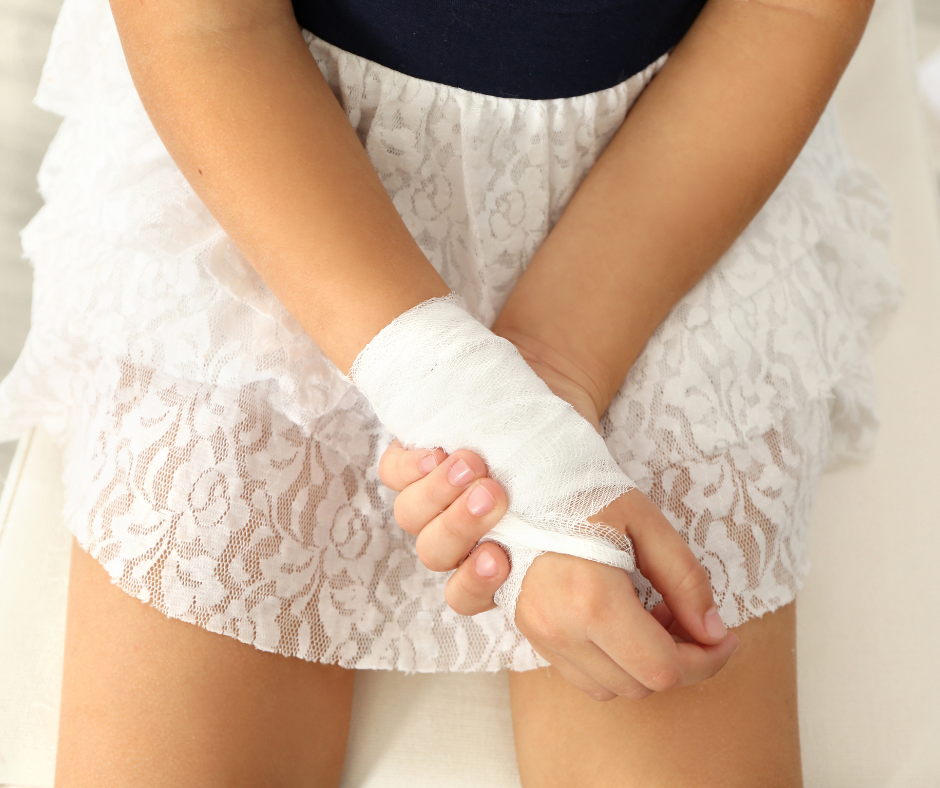
Self-harm is a complex and often misunderstood issue, particularly when it comes to teenagers. It can be distressing for parents, educators, and mentors to see a young person in pain, especially when that pain is expressed through behaviors like cutting, burning, or other forms of self-inflicted injury. However, it’s important to approach self-harm with understanding and compassion, recognizing that it is usually a coping mechanism for emotional or psychological distress or to ask for help.
What is Self-Harm?
Self-harm refers to the deliberate injury of one’s body without the intent to commit suicide. It can involve a variety of behaviors, including but not limited to: cutting, burning, scraping, hitting, hair pulling, etc. It’s important to note that self-harm does not always leave visible marks, and some teens may engage in it in private or hide the injuries from others. The act is often a way to express or cope with overwhelming emotions, not a cry for attention.
Why Do Teens Engage in Self-Harm?
There are many different reasons why teens may turn to self-harm as a coping mechanism. While each individual’s experience is unique, common factors include:
Emotional Pain and Overwhelm: For some, self-harm may feel like a way to regain control or release pent-up emotions. The physical pain can temporarily "numb" emotional pain, offering a form of relief, even if it’s only short-term.
Difficulty Expressing Feelings: Teens may lack the emotional language or coping skills to express their feelings effectively. Self-harm can be an outlet for those who feel unable to communicate their internal struggles with others.
Mental Health Issues: Self-harm is often associated with underlying mental health issues, including: depression, anxiety, Borderline Personality Disorder (BPD), and eating disorders
Peer Pressure or Social Media Influence: While not the primary cause, peer pressure or social media can play a role in normalizing or encouraging self-harm. Some teens may feel isolated or misunderstood and look to others for validation. The rise of online communities or platforms that discuss self-harm can inadvertently glamorize or romanticize these behaviors, making it seem like a way to "fit in" or cope with distress.
Signs of Self-Harm
It’s important to recognize the signs of self-harm early to provide appropriate support. Some common indicators include:
Physical signs: Unexplained cuts, bruises, burns, or scars, often in patterns (e.g., on the arms, legs, or wrists), or injuries that are covered up with long sleeves or bracelets.
Behavioral changes: A teen who is usually open or social may become withdrawn, secretive, or avoid social activities. They may also start to wear clothing that conceals their body (even in warm weather).
Avoidance of conversations about emotions: A teen who self-harms might avoid talking about their feelings, becoming defensive or dismissive if anyone brings up concerns.
How to Support a Teen Who Self-Harms
If you discover that a teen is self-harming, it’s important to respond with empathy, understanding, and care. Begin by offering a non-judgmental and compassionate approach. Avoid shaming or blaming the teen for their actions. Instead, express concern for their well-being. Allow them to share what they’re feeling without interrupting or offering immediate solutions. It’s important to listen actively, validate their feelings, and acknowledge the difficulty of their experiences.
Encourage Professional Help: Self-harm is often a symptom of underlying emotional or psychological distress. It’s crucial to encourage the teen to seek professional help, such as therapy or counseling. Dialectical Behavior Therapy (DBT) has been shown to be effective in treating self-harm behaviors. A mental health professional can help address the root causes of self-harm and equip the teen with healthier coping mechanisms.
When to Seek Immediate Help: If a teen’s self-harming behavior becomes more frequent, severe, or if there are signs of suicidal thoughts or actions, it’s essential to seek immediate professional intervention. This could include contacting a mental health professional, a counselor, or even emergency services if there is a risk of harm to their life.